Mini Honysa: A Modern Script Font for Branding and Editorial Design
A Quiet Moment of Font Selection
It was late afternoon, and I was deep into finalizing the header design for a new lifestyle blog focused on slow living and mindful creativity. The layout was clean, the color palette soft, and the photography warm and organic. But something was missing in the typography. The font I had initially chosen felt too rigid, too formal for the tone of the content. That’s when I revisited Mini Honysa, a modern script font I had downloaded months ago but hadn’t fully explored.
First Impressions: Visual Character and Editorial Rhythm
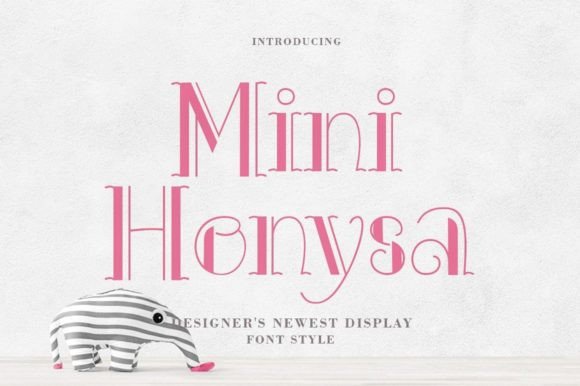
Mini Honysa immediately caught my eye with its elegant yet approachable script style. It carries a gentle rhythm, with subtle strokes and a balanced contrast that makes it feel both handwritten and refined. It doesn’t shout for attention like many decorative fonts tend to do. Instead, it invites the reader in with a quiet confidence, making it ideal for editorial moments where tone and texture matter as much as the message.
As a modern script font, Mini Honysa bridges the gap between traditional calligraphy and contemporary design. It has the warmth of a personal touch without sacrificing professionalism, which makes it especially well-suited for lifestyle blogs, wedding guides, digital magazines, and creative branding projects.
Real-World Use: From Headers to Chapter Openers
I tested Mini Honysa across several key design elements: the blog header, article titles, and pull quotes. In each case, the font added a layer of visual interest without overwhelming the layout. I found it worked best at medium to large sizes—perfect for headers, section dividers, and feature titles.
- Blog headers: Added personality without losing clarity
- Article titles: Enhanced editorial tone and readability
- Pull quotes: Created a soft visual break in long-form content
- Newsletter graphics: Brought warmth and brand identity to email headers
Its gentle curves and open spacing helped maintain readability, even when used in a digital magazine layout with a minimalist aesthetic. However, I wouldn’t recommend it for long paragraphs or body copy. Mini Honysa is expressive, and that expressiveness can become tiring over extended reading sessions.
Readability Across Formats
One of the most important considerations for any font in digital publishing is how it performs across devices and formats. I tested Mini Honysa in both web and PDF layouts, and while it held up well on desktop and tablet screens, it began to lose clarity at smaller sizes on mobile. This makes it better suited for titles and accents rather than captions or footers.
For print, especially in wedding guides or coaching workbooks, Mini Honysa shines. Its elegant curves lend themselves beautifully to invitations, cover pages, and chapter openers. However, as with most script fonts, it’s best used sparingly to maintain visual hierarchy and avoid overwhelming the reader.
Font Pairing and Editorial Design
Pairing Mini Honysa with a more neutral font is essential for maintaining balance in editorial design. I found that a clean sans serif like Montserrat or Lato worked well for subheadings and body text, allowing Mini Honysa to take center stage in titles and decorative accents.
For printables and workbooks, pairing it with a readable serif font like Merriweather or Georgia helped create a cohesive visual flow. The contrast between Mini Honysa’s soft script and the structure of a serif or sans serif font made the layout feel intentional and editorially grounded.
Technical Considerations and Licensing
Before using Mini Honysa in any commercial project—whether a digital magazine, printable planner, or branded newsletter—it’s important to check the licensing terms. Most modern fonts, including Mini Honysa, are typically offered with commercial licenses, but it’s always wise to confirm before distributing templates or downloadable content.
From a technical standpoint, Mini Honysa includes a variety of styles, ligatures, and multilingual support, making it versatile for international audiences and creative projects. The font is available in standard formats like .otf and .ttf, which makes it easy to integrate into design tools like Canva, Illustrator, or InDesign.