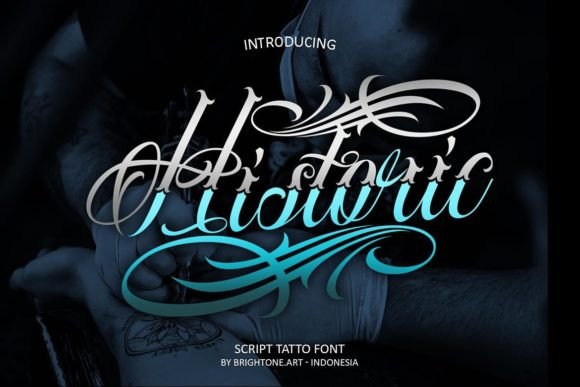
Historic Font: Elevate Your Brand with Timeless Elegance
As a small business owner, every visual element you choose plays a role in how customers perceive your brand. The right font can communicate professionalism, personality, and purpose—without saying a word. That’s where Historic, a refined handwritten tattoo font, comes in. Whether you're designing packaging, social media posts, or product labels, this script font adds a classy, personal touch that helps your brand stand out in a crowded market.
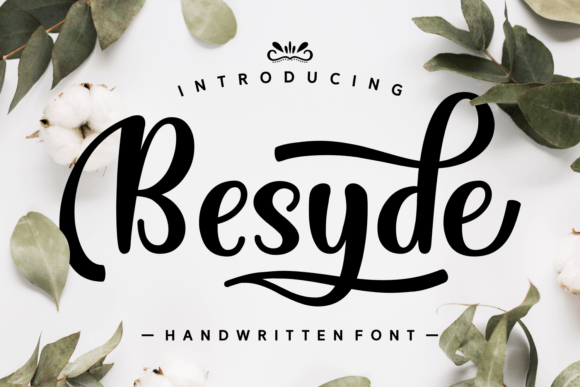
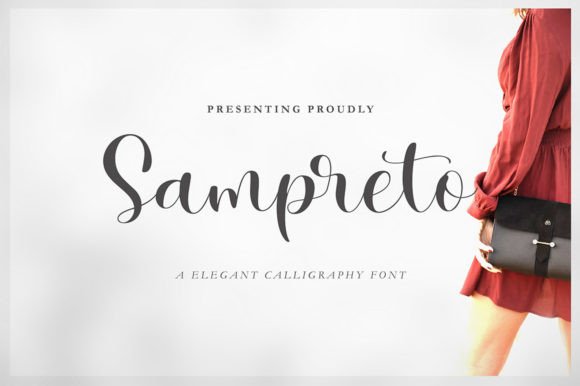
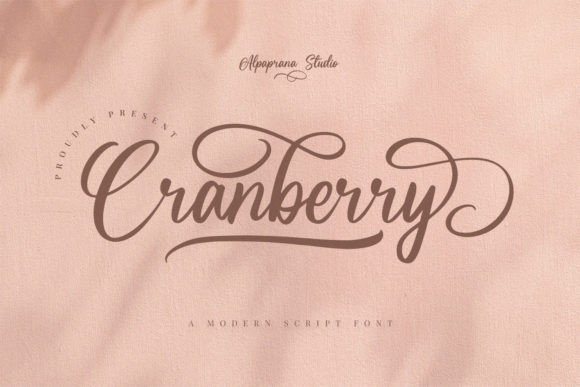
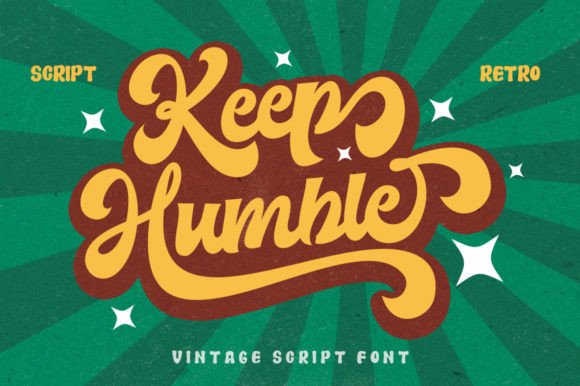
Historic blends the warmth of handwriting with the polish of professional typography. Its smooth, flowing lines and subtle ink texture give it a unique personality—somewhere between vintage charm and modern sophistication. Unlike generic fonts, this typeface feels intentional and expressive, making it ideal for businesses that want to appear both approachable and credible.
When you're building a brand identity, consistency is key. Using Historic across your business materials—like logos, thank-you cards, or Instagram stories—creates a cohesive visual language. Imagine a boutique café using this font on its menu board, business cards, and website banners. The result is a unified brand presence that customers instantly recognize and remember.
Real-World Uses for Historic in Your Branding
One of the strengths of Historic is its versatility across different mediums. Here are a few practical applications that small business owners can implement right away:
- Logo design: Use it as your primary logo font for a warm, handcrafted look—especially effective for lifestyle brands, artisanal shops, and wellness services.
- Packaging design: Whether it's a label on a candle jar or a sticker on a coffee bag, this script font adds a personal, boutique-style feel.
- Social media graphics: From Instagram posts to Pinterest pins, Historic makes your content feel more human and less mass-produced.
- Printed marketing materials: Flyers, menus, and event posters benefit from the elegant readability this font provides.
For example, a handmade soap brand could use Historic on product labels to evoke authenticity and care in craftsmanship. A life coach might incorporate it into digital ads and website headers to convey warmth and approachability. In both cases, the font helps align the brand with its ideal audience.
How to Use Historic Effectively in Your Design Projects
Because Historic is a decorative script font, it works best as a headline, logo, or accent typeface. It’s not ideal for long blocks of text, but that’s perfectly fine—it’s meant to draw attention, not carry paragraphs. Think of it as the visual equivalent of a strong tagline: short, memorable, and impactful.
For best results, use Historic in larger sizes where its character shines—like on a storefront sign, a website hero banner, or a product packaging header. If you're printing it on small labels or using it on mobile screens, make sure it remains legible by adjusting spacing and avoiding overly intricate backgrounds.
Pairing Historic with Other Fonts for a Balanced Look
To create a professional and modern brand identity, it’s essential to pair Historic with complementary fonts. A good rule of thumb is to combine a decorative script like this with a clean, highly readable typeface. For example:
- Pair with a sans serif: Combine Historic with a modern sans serif like Montserrat or Open Sans for a clean, contemporary contrast.
- Pair with a serif: For a more classic or editorial look, use it alongside a readable serif font like Merriweather or Georgia.
This kind of font pairing helps maintain visual interest while ensuring your message remains clear and easy to digest. Think of a café’s menu where Historic is used for the dish names and a simple sans serif is used for descriptions and prices. The result is both stylish and functional.
Why Font Choice Matters for Small Businesses
Fonts are more than just letters on a page—they're part of your brand’s voice. Choosing a font like Historic can subtly influence how customers feel about your business. A polished, consistent font choice signals that you pay attention to detail, which builds trust and professionalism.
Many small business owners overlook typography when designing marketing materials, but it’s one of the most cost-effective ways to elevate your brand. Whether you're launching a new product line or redesigning your website, investing in a premium font like Historic can make a big difference in how your brand is perceived.
Testing and Licensing: What You Need to Know
Before fully integrating Historic into your brand, it’s a good idea to test it in various formats. Try it on mockups of your packaging, digital banners, and printed materials to see how it performs in real-world applications. Some fonts look great on screen but lose clarity when printed or scaled down.
Also, always check the commercial font licensing terms. If you're using Historic on product packaging, templates, or merchandise, you’ll need a license that allows for commercial use. This ensures you’re legally covered and protects your business from potential issues down the line.
Make Your Brand Feel More Human with Historic
In a world full of digital noise, small businesses need every edge they can get to stand out. Historic offers a way to inject personality into your brand without sacrificing professionalism. Whether you're a local bakery, an online shop, or a creative freelancer, this script font can help you connect with your audience in a more authentic, memorable way.
When used thoughtfully across your brand assets, Historic doesn’t just look good—it works hard to build recognition, trust, and emotional connection. And for a small business owner, that’s exactly the kind of return on investment you want from your design choices.